Swimming with orcas in Norway is one of the most unforgettable wildlife experiences in Europe: crisp Arctic air, dramatic fjords, and the chance to watch killer whales hunt herring in coordinated pods. It’s also a highly seasonal adventure concentrated in Northern Norway—most notably around Tromsø, the Lofoten Islands, Vesterålen, and Andenes—when migrating herring draw in a large number of orcas.
This guide is designed for practical trip planning to swim with orca norway: when to go for the best odds, what skills you need (and how to prepare), which thermal gear matters most, how to choose a reputable operator, what it typically costs, where to stay, what else to do while you’re in the Arctic, and how to keep your experience ethical and conservation-minded.
Why Norway Is a World-Class Place to Swim With Orcas
Northern Norway’s coastal ecosystem becomes especially productive in winter thanks to the seasonal movement of herring. That prey concentration is what creates the “right place, right time” magic for cl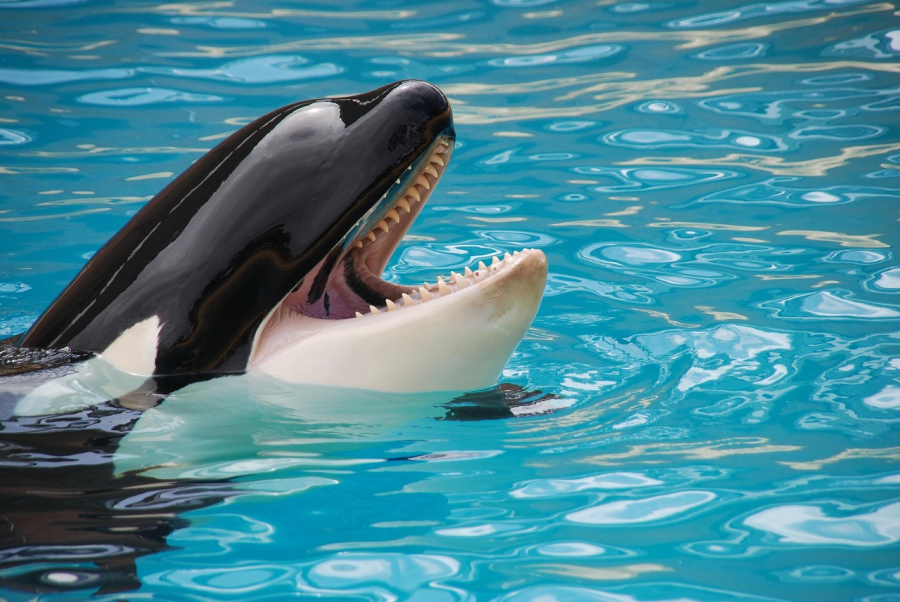 ose encounters—often with multiple pods on a single day when conditions cooperate.
The Northern Norway orca season is tied to the herring migration
Orcas follow food. In this region, herring gather in fjords and coastal waters during the dark-season months, and orcas arrive to feed—sometimes alongside other whales. This is why Norway has become a standout destination for swimmers, snorkelers, underwater photographers, and wildlife lovers who want encounters in a natural setting.
How many orcas are in Norway during peak season?
During the prime winter period, an estimated 1,500 orcas may gather in Northern Norway to feed on herring. This concentration is a major reason sighting chances are often high in peak months, especially when operators are able to travel to where the herring (and the pods) are that day.
What is “carousel feeding” (and why it’s such a highlight)?
Norwegian orcas are well known for carousel feeding, a cooperative hunting strategy where pods herd herring into a tight ball and then take turns feeding. For visitors, this behavior can be breathtaking to observe because it showcases the orcas’ intelligence, teamwork, and precision.
Best Time to Swim With Orcas in Norway (Season & Conditions)
If you’re planning your trip around the highest likelihood of encounters, timing matters as much as destination.
Peak window: late October through February
The encounter season generally runs from late October through February, with many travelers aiming for November through February for the best combination of activity and consistency. Within that span, day-to-day success still depends on weather, sea state, and where the herring are concentrated.
What to expect from Arctic weather and water temperatures
Winter in Northern Norway can deliver spectacular scenery and memorable light, but it also brings cold, changeable weather and chilly water. The payoff is huge: winter is when the orcas are there for feeding. The key is planning for warmth and comfort so you can stay focused on the experience.
- Daylight: Expect limited daylight in mid-winter, which can influence tour schedules and photography.
- Sea conditions: Wind and swell can change plans; reputable operators prioritize safety and may adjust routes or timing.
- Cold exposure: Your suit choice and layers determine whether you feel energized or exhausted after repeated water entries.
Where to Swim With Orcas in Norway: Tromsø, Lofoten, Vesterålen & Andenes
Most swim operations and encounter reports cluster around a handful of Northern Norway hubs. Each offers a different balance of access, scenery, and off-the-water comforts.
Tromsø: the classic gateway for orca swim trips
Tromsø is widely seen as the “Gateway to the Arctic,” and it’s a popular base for wildlife travelers. It has strong tourism infrastructure, a good range of accommodations, and plenty to do when you’re not on the water.
- Best for: Convenience, variety of lodging, dining options, and pairing your trip with Northern Lights activities.
- Planning benefit: If you’re new to Arctic travel, Tromsø’s services and transport connections can make logistics simpler.
Lofoten Islands: dramatic landscapes and a more secluded feel
The Lofoten Islands are known for jagged peaks, fishing villages, and photogenic coastlines. For many travelers, Lofoten delivers that “postcard Norway” feeling while still offering access to winter marine life experiences.
- Best for: Scenery lovers, photographers, and travelers who want a quieter vibe.
- Planning benefit: Great for combining orca days with coastal sightseeing and cozy cabin stays.
Vesterålen: a marine-wildlife hotspot
Vesterålen is often celebrated for its marine biodiversity. Travelers come here not only for orcas, but also for the broader whale-watching culture and nature-first atmosphere.
- Best for: Wildlife-focused itineraries and a less crowded, more nature-immersive stay.
- Planning benefit: Excellent for building a multi-day trip around sea time and slow travel.
Andenes: a renowned whale-watching base
Andenes, on the island of Andøya in the Vesterålen region, is frequently described as a whale-watching capital thanks to nearby deep waters that attract multiple species.
- Best for: Travelers who want to add classic whale-watching to their itinerary and stay close to the action.
- Planning benefit: A strong choice if you prefer a focused, expedition-style schedule.
Skills You Need: Swimming, Snorkeling Comfort, and Cold-Water Readiness
You don’t need to be an elite athlete to snorkel with orcas, but you do need to feel competent in open water and calm under pressure. The better prepared you are, the more you’ll enjoy the moment.
Minimum recommended ability
- Comfort in open water: You should be able to float, breathe steadily through a snorkel, and stay oriented in waves or chop.
- Basic snorkeling skills: Clearing a snorkel, adjusting a mask seal, and finning efficiently.
- Stamina for repeated entries: Many tours involve multiple short water sessions rather than one long swim, which can be surprisingly tiring in cold conditions.
Best ways to prepare before you travel
- Practice snorkeling in a pool to reduce “task load” (mask, snorkel, fins) so you can focus on the animals.
- Try a cold-water dip (safely, and ideally supervised) to understand how your body reacts to cold shock.
- If you’re prone to seasickness, talk to a pharmacist or clinician ahead of time about options that suit you.
What to Wear: Wetsuit vs Drysuit, Thermal Layers, and Comfort Essentials
Staying warm is not just about comfort—it supports safety and helps you stay relaxed in the water. Most reputable operators provide core equipment, but it’s smart to understand what matters so you can pack well and ask the right questions.
Wetsuit or drysuit: what’s the difference?
Operators typically use thick wetsuits or drysuits for Arctic snorkeling.
- Wetsuit: Water enters and warms up; fit is crucial. You’ll still feel cold initially, but a good wetsuit can be effective for shorter sessions.
- Drysuit: Designed to keep water out; warmth comes from your underlayers. Many travelers find a drysuit more comfortable for repeated entries because you can stay drier between swims.
Thermal layering: what actually helps
Ask your operator what they provide, then pack to fill the gaps. A simple layering strategy can transform your experience.
- Base layer: Moisture-wicking thermal top and bottoms (avoid cotton).
- Mid layer (often for drysuits): Fleece or insulated layer that retains warmth when compressed.
- Extremities: Warm socks (for drysuit use), plus gloves and a hood supplied by the operator.
Bring your own mask and snorkel if you can
Even when equipment is provided, having your own well-fitting mask can reduce leaks and increase comfort. A familiar snorkel also makes breathing feel more natural—especially in cold air.
Packing checklist for an orca swim trip
| Category | Recommended items | Why it helps |
|---|---|---|
| Under-suit layers | Thermal base layer set, warm socks, optional fleece mid-layer | Warmth and comfort during repeated water entries |
| Boat warmth | Insulated jacket, windproof shell, beanie, neck gaiter, spare gloves | Wind chill on the boat can feel colder than the water |
| Dry storage | Dry bag, waterproof phone case, spare clothing in a sealed bag | Keeps essentials dry in spray and snow |
| Personal gear | Mask, snorkel, anti-fog solution, towel or changing poncho | Better fit, faster transitions, less discomfort |
| Health | Seasickness support (if needed), personal meds, hand warmers | More energy for the moments that count |
Ethical Guidelines: How to Swim With Orcas Responsibly
The best experiences are the ones that protect the animals and their habitat. Ethical operations aim to minimize disturbance so the orcas can continue natural feeding and social behaviors.
Core rules to follow in the water
- Never touch or feed orcas. This can disrupt natural behavior and create risk for both people and animals.
- Keep a respectful distance. Your guide will set spacing rules based on conditions and local best practices.
- Move calmly and predictably. Avoid splashing, chasing, or rapid finning toward animals.
- Follow guide instructions immediately. Entry and exit timing matters for both safety and minimizing interference.
What ethical operators do differently
- Animal-first decision making: They end or reduce in-water time if behavior suggests disturbance.
- Smaller groups when feasible: Fewer swimmers can mean less pressure on wildlife and more orderly water sessions.
- Clear briefing standards: You’ll receive practical instruction on positioning, spacing, and signals before you enter the water.
Safety Protocols: What a Well-Run Orca Swim Day Looks Like
Because this is cold-water, open-ocean-style wildlife tourism, safety is a feature—not an afterthought. A quality tour builds structure around the adventure so you can focus on the encounter.
Typical flow of a day trip
- Meet and briefing: Suit fitting, gear check, and a clear plan for entries/exits and communication.
- Transit and searching: Time on the boat scanning for wildlife activity (including birds and surface movement).
- Controlled water entries: Short, guided sessions based on behavior and sea state rather than long, exhausting swims.
- Warm-up breaks: Hot drinks or warm boat time (varies by operator) and a chance to reset between sessions.
- Return and debrief: Questions, wildlife context, and often tips on photos and identification.
Who should be extra cautious (and consider alternatives)
If you have a medical condition that could be affected by cold exposure or exertion, consider seeking medical guidance before booking. If you love whales but want a lower-intensity option, a boat-based whale-watching tour can still be extraordinary—often with the chance to see orcas, humpbacks, and other species from the deck.
How to Choose a Reputable Orca Swim Operator (Group vs Private)
Your operator choice shapes almost everything: safety, ethics, comfort, and the overall quality of the encounter. Look for professionalism, transparency, and a clear respect for wildlife.
Checklist for selecting the right company
- Safety-first culture: Clear briefings, structured procedures, and calm leadership.
- Ethical wildlife practices: Non-harassment approach, respectful distances, and no chasing behavior.
- Cold-water appropriate gear: Proper suits, gloves, hoods, and support for sizing and fit.
- Realistic expectations: They never “guarantee” wildlife, and they explain how conditions affect outcomes.
- Group management: They limit crowding in the water and manage entries with discipline.
Group tours vs private tours
Both can be excellent—your best choice depends on budget, comfort level, and how customized you want the day to feel.
| Option | Best for | Main benefits | Trade-offs |
|---|---|---|---|
| Group tour | Most travelers | Better value, social vibe, scheduled departures | Less flexibility, more people sharing the experience |
| Private tour | Families, photographers, special occasions | Customized pacing, more personal guidance, flexible focus | Higher cost |
Costs: Typical Day Tour Prices and Multi-Day Packages
Budgeting is easier when you know the common ranges. Pricing varies by location, group size, boat type, inclusions, and the overall structure of the experience.
Expected price ranges
- Day tours: approximately $300 to $700 per person.
- Multi-day packages: commonly $1,000 to $3,000 per person, often bundling accommodation and additional activities.
What can be included in the price
- Wetsuit or drysuit, gloves, hood, fins
- Snorkel equipment (sometimes), safety briefing, guiding
- Transfers (sometimes), warm drinks or light snacks (varies)
Smart questions to ask before you pay
- What suit system do you use? (Wetsuit vs drysuit, and what underlayers you should bring.)
- How are in-water groups managed? (Entry order, group size, supervision.)
- What happens if weather cancels the tour? (Rescheduling and refund policies.)
- How long is the day? (Total hours, not just “time with whales.”)
Where to Stay: Lodging Bases in Tromsø, Lofoten, Vesterålen, and Andenes
Choosing the right home base can make your trip smoother—and more enjoyable—especially in winter when weather can influence travel plans.
Tromsø hotels and city stays
Tromsø offers a broad selection of hotels and city-centered accommodations, which is convenient for dining, shopping, and organized evening activities like Northern Lights tours.
Lofoten rorbu cabins for a classic Norwegian feel
In Lofoten, many travelers love staying in rorbu cabins—traditional fisherman’s cabins converted into cozy lodging. They’re a memorable way to pair wildlife adventures with the atmosphere of coastal villages.
Vesterålen lodges and nature-forward stays
Vesterålen is known for lodges and smaller-scale accommodations that feel close to nature. This can be a great fit if your ideal trip is quiet, scenic, and wildlife-first.
Andenes guesthouses and practical bases
Andenes has a range of hotels and guesthouses suited to travelers building their days around ocean excursions and whale-watching programs.
Complementary Activities: Build a Complete Northern Norway Itinerary
One of the biggest advantages of an orca swim trip is how well it pairs with other Arctic experiences. With the right planning, your days can feel full and varied—even if weather shifts your sea time.
Northern Lights (Aurora Borealis) chasing
The orca season overlaps with prime Aurora season, making it easy to pair daytime ocean adventures with nighttime sky watching. Many travelers find that combining wildlife encounters with aurora hunting creates a truly “only in the Arctic” trip.
Fjord cruises and scenic coastal outings
Fjords are a signature of Norway’s coastline. A fjord cruise can be a relaxing counterbalance to cold-water snorkeling days and a beautiful way to experience the region’s geology and winter light.
Whale-watching for more wildlife time (no swimming required)
If you want more chances to see marine life—or you’re traveling with someone who prefers to stay dry—boat-based whale-watching is an excellent add-on. Depending on conditions and location, you may spot orcas and other whales during the same season.
Sustainable Tourism and Orca Conservation: How Your Choices Make a Difference
The best outcome is not just an incredible trip today, but a thriving ecosystem that supports orcas for decades to come. Sustainable tourism helps reduce stress on wildlife, supports responsible operators, and encourages long-term stewardship of Northern Norway’s marine environment.
Practical ways to travel more sustainably on your orca trip
- Choose ethical operators: Companies that prioritize animal welfare and safe group management help set better industry norms.
- Respect local guidance: Follow rules around approach distances and wildlife interaction—on the boat and in the water.
- Pack reusables: Bring a reusable bottle and minimize single-use plastics during your travel days.
- Leave no trace: Keep shorelines clean and avoid disturbing wildlife in harbors and coastal areas.
How conservation-minded travel improves the experience
Responsible encounters tend to be calmer, more respectful, and more meaningful. When operators minimize disturbance, you’re more likely to observe natural behavior—like coordinated travel, communication, and feeding—rather than stressed avoidance responses.
Frequently Asked Questions
Is it safe to swim with orcas in Norway?
With a reputable operator and strict adherence to briefings and ethical guidelines, snorkeling with orcas is generally run as a controlled, safety-led activity. You should expect structured entries, clear rules, and a strong emphasis on staying calm and respecting distance.
What are the best months to go?
The main season typically runs from late October through February, with November through February often considered the best window for consistent chances.
Do I need a certification to join?
Most tours do not require a formal certification, but you should have basic swimming ability and be comfortable snorkeling in open water. Some operators may set their own experience requirements for safety.
Can I touch or feed the orcas?
No. Touching or feeding is not allowed and is considered harmful and unsafe. Ethical operators enforce strict no-contact, no-harassment rules.
How much does an orca swim trip cost?
Day trips are commonly priced around $300 to $700 per person. Multi-day packages are often in the $1,000 to $3,000 range depending on inclusions like accommodation and additional excursions.
Final Planning Tips for a High-Quality Orca Swim Experience
- Book the season, not a single day: If possible, plan multiple days in the region to improve your odds around weather and wildlife movement.
- Prioritize fit and warmth: A well-fitting suit system and smart layering can be the difference between “enduring” and truly enjoying the water time.
- Pick ethics as your advantage: Responsible operators deliver better encounters by keeping the experience calm and wildlife-first.
- Build a complete itinerary: Add Northern Lights and fjord activities so every day feels rewarding—no matter what the sea does.
With the right timing, the right operator, and the right preparation, swimming with orcas in Northern Norway can feel like stepping into a real-life nature documentary—one where your choices help protect the very wildlife you came to admire.
